
The 18-Year Reckoning: Israel’s Long Game Against Hezbollah
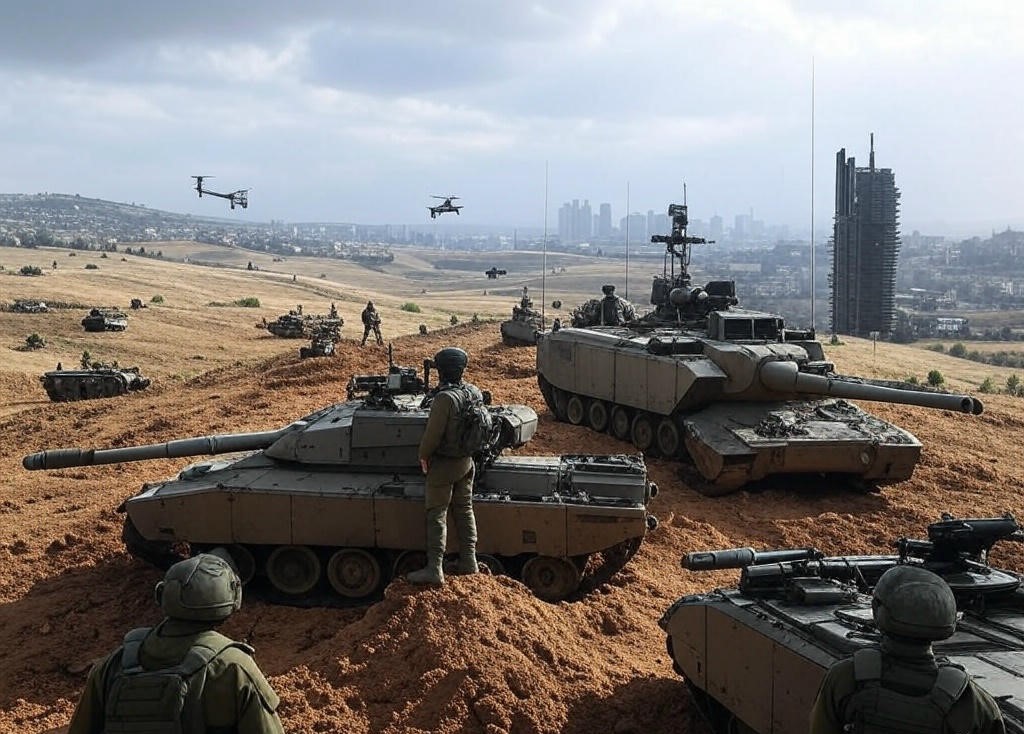
Israel devoted nearly two decades to preparing for the moment it would deliver a fatal blow to Hezbollah. The 2006 Lebanon War had exposed yawning intelligence and operational gaps in the Israel Defense Forces (IDF), allowing Hezbollah to claim a pyrrhic victory. But rather than dive into yet another war, Israel’s intel and military establishment embarked on an 18-year campaign of surveillance, infiltration, and strategic planning—waiting patiently for the ideal moment to dismantle the “Party of God” once and for all.
That moment came in September 2024, when Israel launched Operation “Iron Spear”—a devastating, multi-pronged assault that decapitated Hezbollah’s leadership, shattered its military infrastructure, and left the Iranian-backed group in ruins.
The Cold War That Preceded the Storm
Since October 7, 2023, when Hamas launched its brutal attack on southern Israel, Hezbollah had opened a “shy front” along Lebanon’s southern border. Cross-border skirmishes became routine—Israel would strike a Hezbollah surveillance camera; Hezbollah would retaliate with a barrage of rockets. But behind the scenes, Israel was hatching a far more sinister plot.
Even while it openly engaged in diplomatic talks with Lebanon—creating the illusion of de-escalation—the IDF was systematically eliminating high-value Hezbollah commanders. Every targeted assassination was tactical: cripple the chain of command, draw replacements out into the open, and garner additional intelligence. Meanwhile, Israel waged a psychological war of terror on Lebanese civilians, keeping them under constant threat—eroding Hezbollah support without provoking a backlash.
The Grim Beeper: Hezbollah’s Deadly Tech Trap
Israel initiated the first strike on September 15, 2024, with “Operation Grim Beeper”—a cyber-physical attack that detonated explosives pre-planted in Hezbollah’s communication devices. Pagers and walkie-talkies carried by operatives across Lebanon exploded simultaneously, killing hundreds instantly. The explosions were followed by waves of airstrikes on:
1. Command centers in the southern suburbs of Beirut (Dahiyeh)
2. Weapons storage depots in the Bekaa Valley
3. Rocket launching sites along the Israeli border
4. Smuggling routes from Syria
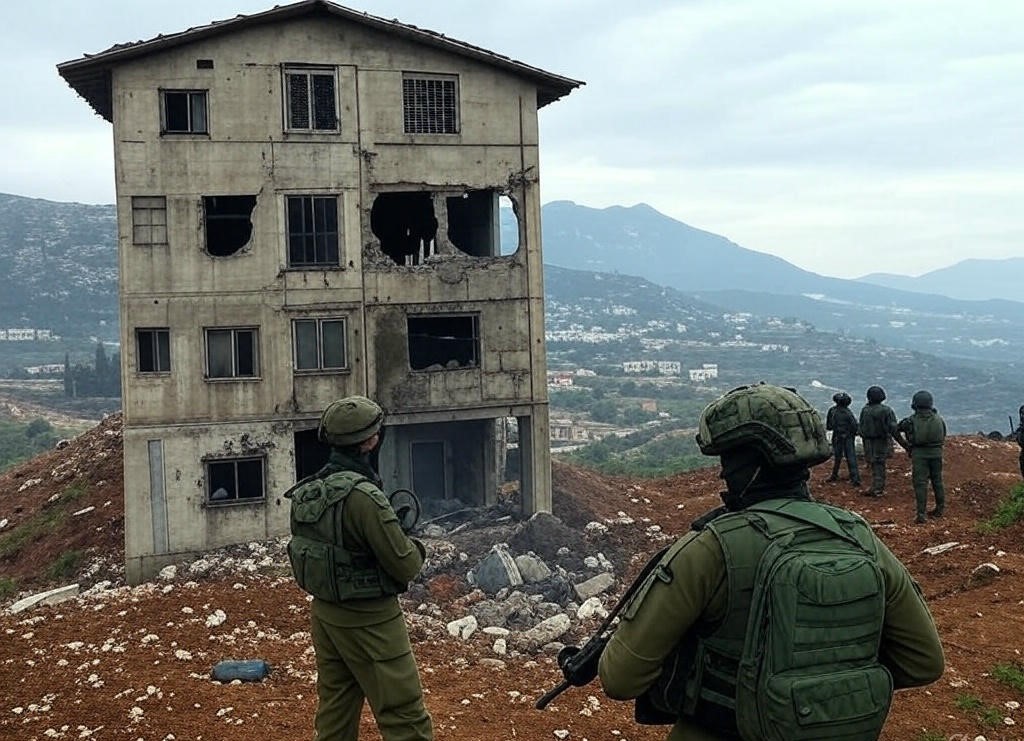
The precision was frightening. Drone strikes clinically eliminated Hezbollah’s entire senior leadership, including Hassan Nasrallah and his deputy, Hicham Safieddine. The IDF then inserted ground troops into southern Lebanon, systematically clearing out Hezbollah strongholds. (Read about The Grim Beeper Ops HERE)
Why Hezbollah Could Not Counterattack?
Unlike in 2006, Hezbollah had no regional allies that would get involved. Iran, beset by domestic turmoil, made only rhetorical offers of support. Syria, still recovering from civil war, was in no condition to help. Iraqi militias and Yemeni Houthis were too distant to be of any utility.
Hezbollah’s myth of “divine victory” dissipated as its militants died by the hundreds. Denied Iranian funds, the group could not pay its operatives or compensate bereaved families. Civilians, who had fled to Mount Lebanon and the north, were more focused on survival than loyalty to a defeated militia. But within Hezbollah there were two different opinions, some wanted a total war, while others refrained from any escalation.
The Aftermath: A Broken Hezbollah and a Hesitant Lebanon
By mid-October 2024, Hezbollah was militarily defunct. Israel had eliminated its entire leadership, destroyed its weapons caches and cut its funding and smuggling routes.
Nevertheless, Lebanon’s government—paralyzed in fear of a Shiite uprising—would not disarm Hezbollah’s remnants. The Lebanese Armed Forces (LAF) tarried in seizing Hezbollah’s remaining weaponry, while “unknown” rockets still fired intermittently into Israel, provoking retaliatory strikes.
Israel achieved its goal: Hezbollah will not return to its former strength. But the organization’s ideological underpinning remains, and Lebanon’s political leadership is too divided to fill the power vacuum.
For now, the border is frozen in a tense standoff—but Israel has shown that when it decides to act, it does so with ruthless efficiency. Hezbollah’s downfall should be a warning to Iran’s other proxies: all the bunkers and missiles in the world can’t save you from a well-planned decapitation.
The “Party of God” has fallen, leaving behind few ronins and culprits which, as many theories say, could have solved the party to Israel and the west in return for their safety. The story continues.

 Menaribo - من أريبو