

Paganism & Religions in the Levant: A Clash of Worlds in the Roman Era
The 1st, 2nd, and 3rd centuries AD marked a pivotal period in the history of the Levant, a region that served as a cultural and religious crossroads. As the Roman Empire began its slow but inevitable decline, the Levant became a battleground of ideologies, where the ancient traditions of Paganism clashed with the rising influence of Judeo-Christian beliefs. This era was not merely a struggle for religious dominance but also a profound transformation of societal values, rituals, and worldviews.
The Popularity of Paganism in the Levant and Beyond
Paganism, with its deep roots in nature and polytheistic traditions, was widely practiced across Europe, Egypt, North Africa, and the Levant. In the Levant, Paganism was intertwined with the region’s diverse cultures, from the Phoenicians to the Canaanites, and later adopted and adapted by the Romans. Pagan rituals celebrated life, fertility, and the cycles of nature, offering a stark contrast to the emerging monotheistic religions that emphasized sin, suffering, and redemption.
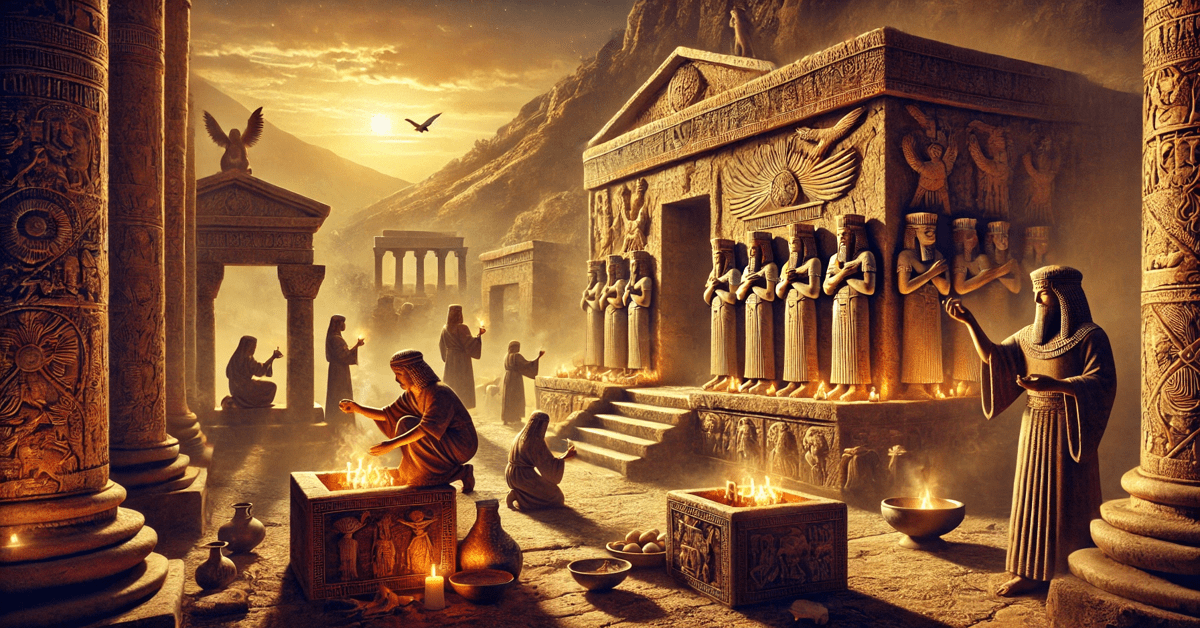
Paganism was not a monolithic religion but a tapestry of beliefs and practices that varied from region to region. At its core, however, it revolved around joy, vitality, and a profound connection to the natural world. Rituals often included dancing, chanting, meditating, and communal gatherings around bonfires. These practices were not just spiritual but also social, fostering a sense of community and belonging. Drinking, feasting, and the use of candles in ceremonies were common, symbolizing light, warmth, and the divine presence in everyday life.
The Rise of Monotheism: A New Worldview
While Paganism thrived on celebrating life, the Judeo-Christian tradition introduced a radically different perspective. Monotheism, particularly Christianity, emphasized the fallen nature of humanity, the concept of sin, and the need for salvation. This worldview resonated deeply with many, especially those who felt disillusioned by the social and political instability of the Roman Empire. The promise of eternal life and moral clarity offered by Christianity stood in stark contrast to the cyclical, nature-bound spirituality of Paganism.
The Levant, as a melting pot of cultures and religions, became a fertile ground for this ideological struggle. Cities like Antioch and Jerusalem were epicenters of religious debate and conversion. The Roman authorities, initially tolerant of diverse religious practices, began to view Christianity as a threat to their power and social order. This tension culminated in periods of persecution, but also in the eventual triumph of Christianity as the dominant religion of the empire.
The Legacy of Paganism: Foundations of Civilization
As history has shown, civilizations and rising powers are often built on the foundations of their predecessors. Paganism, though gradually supplanted by monotheism, left an indelible mark on the cultural and spiritual landscape of the Levant. Many Pagan traditions were absorbed into Christian practices, such as the use of candles in worship, the celebration of seasonal festivals, and the veneration of saints, which often replaced local deities.
The bond between humanity and nature, so central to Paganism, also persisted in folklore, art, and literature. The bonfires of Pagan rituals evolved into the lanterns of Christian processions, and the joyous celebrations of life found new expression in religious feasts and holidays. Even the concept of the divine feminine, so prominent in Pagan worship, reemerged in the veneration of the Virgin Mary.
Conclusion: A Tapestry of Beliefs
The struggle between Paganism and Judeo-Christian influence in the Levant was more than a clash of religions; it was a transformation of human consciousness. Paganism, with its celebration of life and nature, offered a worldview rooted in the tangible and the cyclical. Monotheism, with its focus on sin, salvation, and the eternal, introduced a new paradigm that would shape the course of Western civilization.
Yet, the legacy of Paganism endures, reminding us that every civilization is built on the shoulders of those that came before. The Levant, as a cradle of religious and cultural exchange, stands as a testament to the enduring power of human spirituality and the timeless quest for meaning in an ever-changing world.

 Menaribo - من أريبو